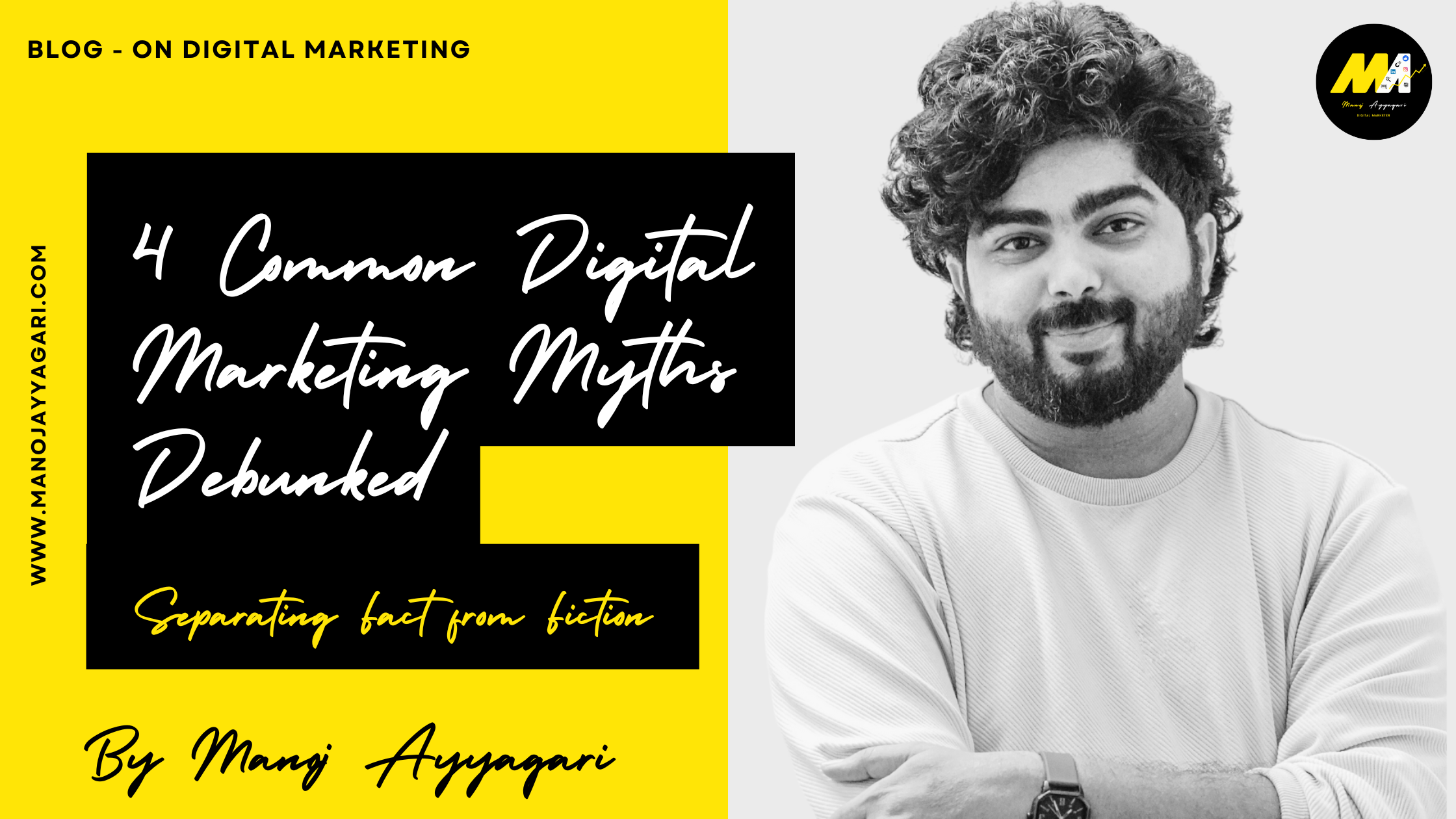
Understanding Digital Marketing Myths is essential for anyone involved in online marketing. In a rapidly evolving field, misinformation can lead to misguided strategies and wasted resources. Many myths persist in the digital marketing landscape, often creating confusion and hindering progress. This blog aims to debunk four common misconceptions, empowering you with the facts needed to navigate the digital marketing world effectively.
In this article, I will clarify these myths, providing insights that can enhance your digital marketing strategies and drive better results.
Myth 1: More Traffic Equals More Sales
One of the most pervasive myths is that simply increasing website traffic will automatically lead to higher sales. While traffic is undoubtedly important, it’s not the sole factor in driving conversions. Here’s why:
- Quality Over Quantity: Focusing on attracting high-quality traffic—visitors who are genuinely interested in your product or service—can lead to better conversion rates than simply chasing higher numbers.
- User Intent: Understanding the intent behind the traffic is crucial. If visitors are not aligned with your offerings or are only browsing, sales are unlikely to follow.
- Conversion Optimization: Prioritizing conversion rate optimization (CRO) can yield better results than merely increasing site visits. Implementing strategies like improving user experience, enhancing product descriptions, and creating compelling calls to action can effectively boost sales.
Myth 2: Social Media is Only for Brand Awareness
Many marketers believe that social media is only useful for building brand awareness. While awareness is one of its key benefits, social media can serve various purposes, including:
- Lead Generation: Platforms like Facebook and LinkedIn offer tools to create targeted ads aimed at generating leads, helping you capture potential customers directly through the platform.
- Customer Engagement: Social media is an excellent avenue for engaging with customers. Prompt responses to inquiries and active participation in conversations can enhance customer satisfaction and loyalty.
- Sales Channel: Many businesses successfully use social media as a direct sales channel. Features like Instagram Shopping and Facebook Marketplace allow businesses to sell products directly to consumers.
Myth 3: SEO is a One-Time Effort
Another common misconception is that search engine optimization (SEO) is a one-time task. In reality, effective SEO requires ongoing effort and adaptation. Here’s why:
- Algorithm Changes: Search engines frequently update their algorithms, which can impact your rankings. Staying informed and adjusting your SEO strategies accordingly is crucial for maintaining visibility.
- Content Freshness: Regularly updating and adding new content keeps your site relevant in the eyes of search engines. It also encourages repeat visits from users seeking fresh information.
- Competitor Activity: Your competitors are continuously optimizing their strategies as well. Keeping an eye on their activities can provide insights and highlight areas for improvement in your own approach.
Myth 4: Email Marketing is Dead
Despite the rise of social media and other digital marketing channels, the myth that email marketing is no longer effective is far from the truth. Here’s why email marketing remains a powerful tool:
- High ROI: Email marketing boasts one of the highest returns on investment (ROI) in digital marketing, often surpassing other channels. Personalized and targeted campaigns can yield impressive results.
- Direct Communication: Email allows for direct communication with your audience, making it easier to share updates, promotions, and valuable content tailored to their interests.
- Automation Capabilities: Modern email marketing tools allow for automation, enabling businesses to send timely and relevant messages based on user behavior, preferences, and demographics.
Conclusion
In conclusion, debunking Digital Marketing Myths is essential for any marketer aiming to maximize their efforts and achieve tangible results. By understanding the truth behind these misconceptions, you can make informed decisions that enhance your marketing strategies.Are there any myths you’ve encountered in your digital marketing journey?
I’d love to hear your experiences and thoughts in the comments below !
Check out our latest blog SEO 101: A Beginner’s Guide to Search Engine Optimization
Follow me on LinkedIn for more